In a real emergency, help is often minutes away — but some emergencies only give you minutes. Two skills that everyday people can learn make a huge difference in those moments: how to stop severe bleeding, and how to respond to an opioid overdose.
Stop the Bleed
Severe bleeding is a leading cause of preventable death after an injury. A person can lose a deadly amount of blood in less than five minutes. That is often faster than an ambulance can arrive. Car crashes, falls, and workplace accidents can all cause this kind of bleeding.
The good news is that simple steps can save a life. Stop the Bleed training teaches you to:
- Find where the bleeding is coming from
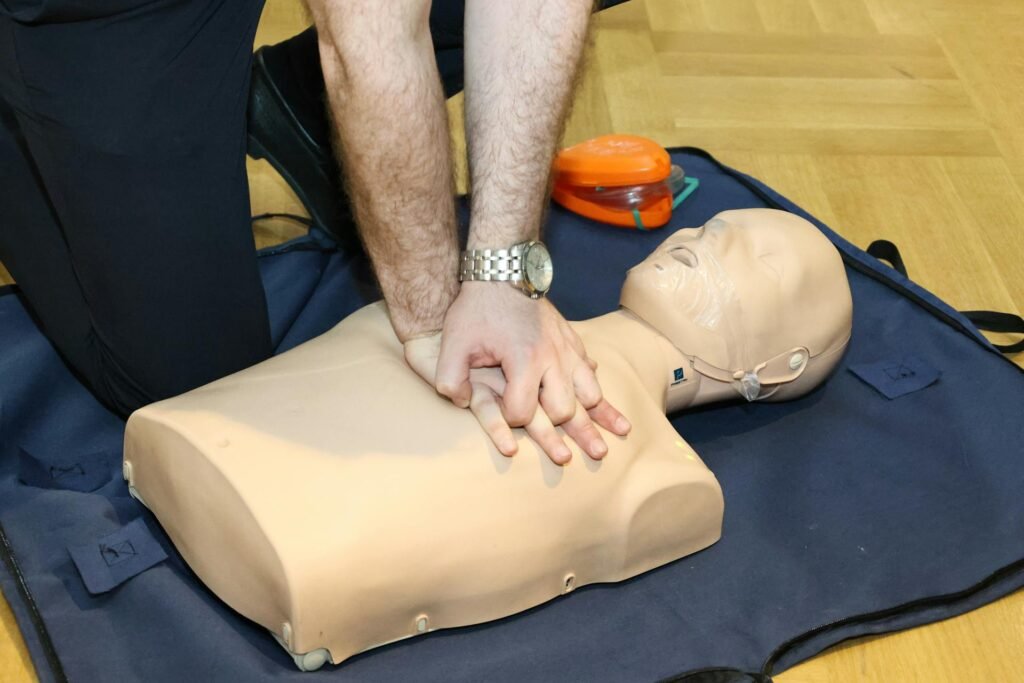
- Press firmly on the wound with both hands and a cloth
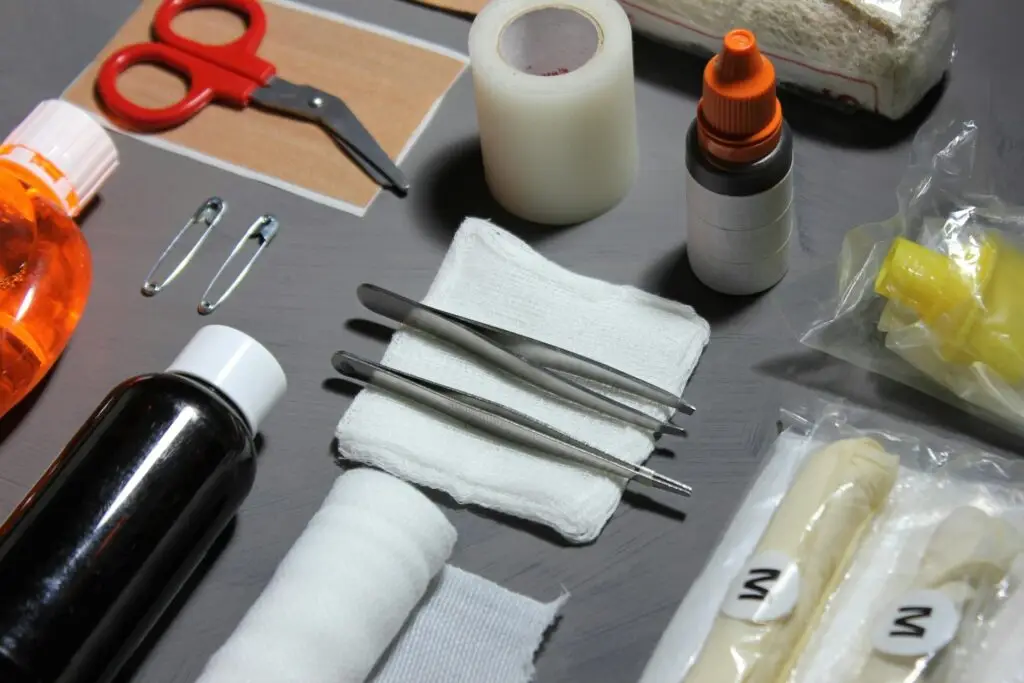
- Pack a deep wound and apply steady pressure
- Use a tourniquet for an arm or leg when bleeding will not stop
These are skills anyone can learn, and they work whether the emergency is at home, at work, or in public.
Narcan (naloxone) basics
Opioid overdoses are a serious problem in many communities, including here in Wisconsin. Narcan, also called naloxone, is a safe medicine that can reverse an opioid overdose. It comes as a simple nasal spray.
If you think someone has overdosed — they are very hard to wake, breathing slowly, or not breathing — call 911 right away. If naloxone is available, give it as directed and stay with the person until help arrives. Naloxone is safe to use even if you are not sure opioids are the cause, and studies show the large majority of people who receive it survive.
Why training matters
Knowing these steps before an emergency means you can act with confidence instead of fear. Medics Wisconsin offers Stop the Bleed and Narcan training for workplaces, schools, churches, and community groups. Being ready is one of the kindest things you can do for the people around you.
This article is for general education only and is not medical advice. Always call 911 first in an emergency.